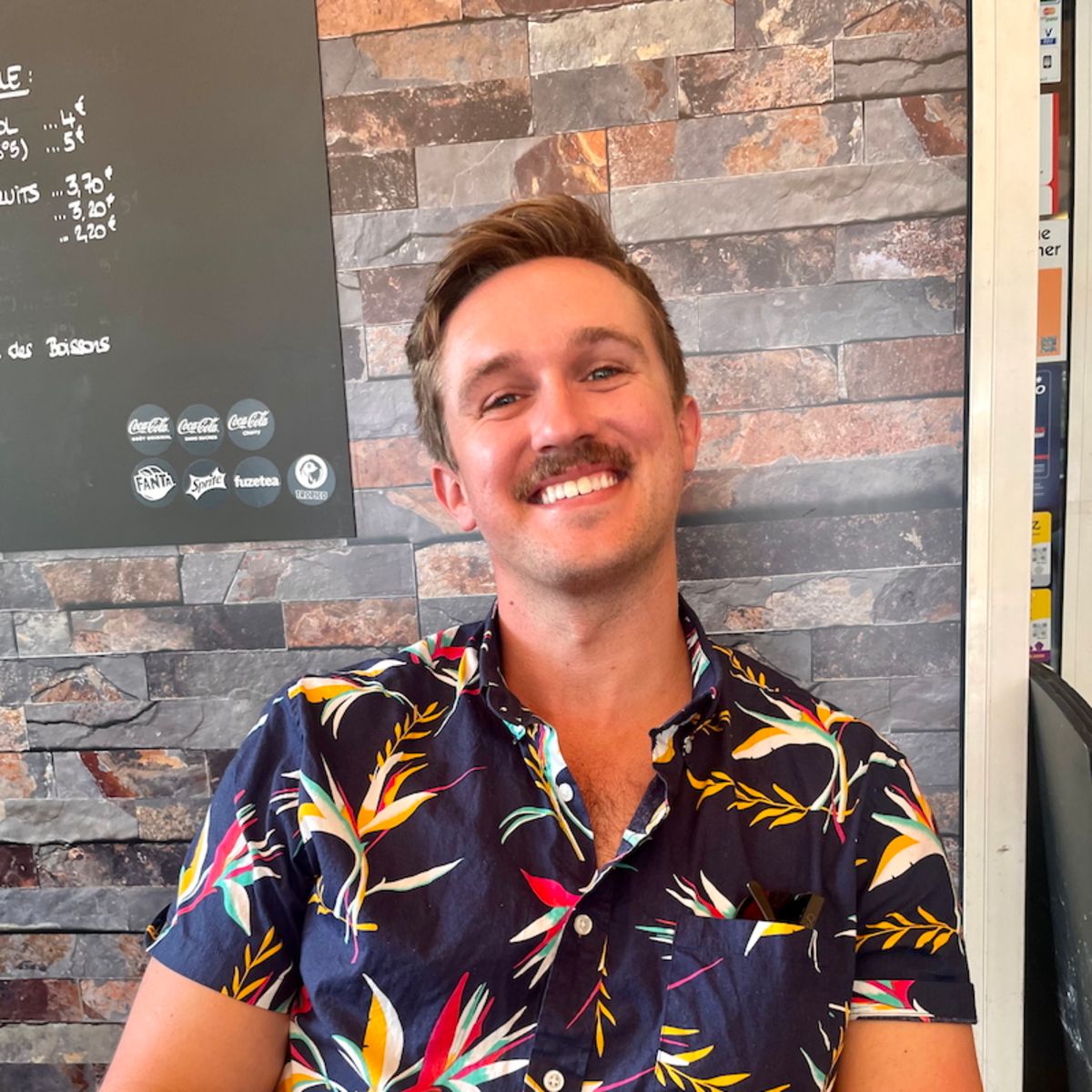

Matador's editorial team and contributors went into last weekend’s travels with new awards and recognition.
In the 34th Annual North American Travel Journalists Association (NATJA) Travel Media Awards Competition, stories by Suzie Dundas, Rulo Luna, Noelle Salmi, and Gary Nunn were recognized. Three more pieces by Suzie, Tim Wenger, and me were named finalists in the Inspire Global Media Awards.
A lot goes into our stories. It starts with a conversation — sometimes over a call, often through staggered Slack messages across time zones. Then there’s planning, reporting, connecting with experts, and, of course, travel. Our writers and editors get even deeper into the research while writing, editing, fact checking, and editing again until it’s ready to publish.
Our readers aren’t often privy to that work. I’ve been at Matador since 2018, and I’ve lived the process it takes to create some of the best original travel narratives, guides, and photo essays out there. We do it for our readers, not awards, but recognition for the effort is always welcome.
You can find the stories below, including a deeply reported feature on wolves in Yellowstone, photos from chasing the northern lights by train in Alaska, a look at how adventure tourism is changing West Virginia’s New River Gorge, and more.
Safe travels, and I can’t wait for you to see the stories we’ve got lined up next.
— Nickolaus Hines, editorial content director
NATJA Awards and Recognition
ILLUSTRATED STORY
Bronze Award: Camera Roll: Finding the Best of Alaska’s Northern Lights Aboard the Aurora Winter Train
By Rulo Luna Ramos

Photo: Rulo Luna Ramos
Rulo Luna Ramos took home bronze in the Illustrated Story category for his breathtaking coverage of Alaska’s northern lights, marking a long-sought breakthrough for Matador. Matador’s photo editor captures the aurora borealis in remarkable detail while showcasing one of the most scenic and accessible ways to experience it. Through vivid imagery and practical planning tips, the story guides readers aboard the Aurora Winter Train to reach remote winter landscapes that are otherwise difficult to access.
SUSTAINABLE TRAVEL
Silver Award: Are Wolves Worth the Cost? The American West’s New Wildlife Dilemma
By Suzie Dundas

Photo: Jackson Hole Wildlife EcoTour Adventures/Josh Metten
This year marks 30 years since wolves were intentionally reintroduced to the American West after being eradicated a century earlier. Suzie Dundas’ silver award-winning investigative feature explores what that return has meant on the ground, drawing on firsthand reporting in wolf country, interviews with wildlife biologists and national park officials, and conversations with the people who have had to adapt their lives alongside a top predator. It is a deep dive into one of the most consequential wildlife stories of the past three decades.
SUSTAINABLE TRAVEL
Honorable Mention: Rushed Construction, a Seawall, and a ‘Road to Nowhere’: How One of Bali’s Most Famous Surf Breaks May Change Forever
By Noelle Salmi

In this honorable mention, Noelle Salmi investigates the controversial construction project unfolding at Uluwatu, one of Bali’s most iconic surf breaks. As bulldozers carve into limestone cliffs below a sacred temple, surfers and environmental advocates fear irreversible damage to the reef that powers a wave central to Bali’s identity and tourism economy. Through conversations with local surfers, international conservation leaders, and government stakeholders, the story examines the tension between development, cultural preservation, and the economic value of a single perfect wave.
DIVERSITY, EQUITY, INCLUSION, AND ACCESSIBILITY
Honorable Mention: Safe, Social, Shirtless: The Rise of Men-Only Hostels
By Gary Nunn

In this honorable mention, Gary Nunn explores the rise of men-only hostels catering to gay travelers seeking spaces that feel both social and safe. Reporting from Puerto Vallarta and beyond, Nunn examines how these boutique-style stays are redefining the traditional hostel model, blending affordability with community and liberation. Through conversations with guests and operators, the story traces how shifting social attitudes and growing LGBTQIA+ visibility have created demand for accommodations where same sex affection is normalized and travelers can fully be themselves.
Inspire Global Media Awards Finalists
GLOBAL SUB-CATEGORY
The Price of Paradise: Luxury Travel Can Save the World's Wildest Places, but at What Cost?
By Suzie Dundas

From gorilla trekking permits in Rwanda to dive restrictions on the Great Barrier Reef, this finalist feature by Suzie Dundas investigates the rising cost of access to the world’s most fragile places. As overtourism strains ecosystems from Bali to the Galápagos, Dundas examines whether high prices and limited permits are the most effective path to conservation, or a new form of environmental gatekeeping. Through interviews with lodge operators, marine park managers, and sustainability leaders, the story weighs the economic realities of protecting wild spaces against the growing risk that only the wealthy will be able to experience them.
AMERICAS, THE CARIBBEAN AND ANTARCTICA SUB-CATEGORY
New River Gorge Offers a Glimpse Into West Virginia's Past - and Its Future
By Tim Wenger

Morning fog, abandoned coal towns, and one of the country’s newest national parks set the stage for this finalist feature by Tim Wenger. In West Virginia’s New River Gorge, Wenger explores how a region long defined by coal is navigating a new chapter shaped by outdoor recreation and conservation. Through conversations with guides, local leaders, and residents wary of outside narratives, the story examines the tension between preservation and pride, and how the National Park and Preserve model honors working class history while opening economic doors for the future. It is a nuanced look at a place where legacy and reinvention share the same trail.
AMERICAS, THE CARIBBEAN AND ANTARCTICA SUB-CATEGORY
In Post-Fire West Māui, Restaurants Are at the Heart of a Slow Recovery
By Nickolaus Hines

Photo: Nickolaus Hines
More than two years after the deadliest wildfire in the United States in a century devastated Lāhainā, West Māui is still rebuilding. In this finalist feature, Nickolaus Hines reports on how restaurants have become anchors in that recovery, serving not only food but stability, jobs, and a sense of normalcy for a displaced community. Through on-the-ground reporting and candid conversations with restaurateurs who lost homes and reopened anyway, the story examines tourism’s complicated role in the island’s economy and shows how hospitality in Hawaiʻi is more than an industry. It is resilience in action, expressed one meal at a time.
Travel Well
The Matador Editorial Team