
Six short emails. One global event. We’re covering the 2026 Winter Olympics with the biggest stories, travel insight, and insider context.
→ Prefer to skip it? You can unsubscribe from this series here.
SPECIAL EDITION
Pizzoccheri, Polenta, Speck: The Flavors of the Winter Games
At the 2026 Milano Cortina Games, eating is a central part of the travel experience.

Photo: Getty Images
From Michelin-starred dining rooms in Milan to wood-paneled mountain huts high in the Dolomites, these Games unfold across regions where food is inseparable from landscape, history, and daily life.
For travelers lucky enough to attend in person, this is your guide for what to eat — and where — during Italy’s most food-forward Winter Games. If you’re watching at home, you may want to get that pasta machine out of the cupboard.
Pizzoccheri, Polenta Taragna, and the soul of alpine cooking
The true culinary story of the Games lives in regional dishes shaped by cold climates and hard work. Pizzoccheri (buckwheat pasta layered with potatoes, cabbage, butter, and cheese) comes from nearby Valtellina and is best enjoyed in small trattorias like La Fiorida in Mantello.
Polenta taragna, enriched with butter and alpine cheeses, appears across Lombardy and the Dolomites. It’s filling, comforting, and designed to sustain long winter days — exactly the kind of food that feels right during Olympic season.

Photo: Getty Images

Photo: Getty Images

Photo: Getty Images
Mountain rifugi
Perhaps the most distinctive food experience of the 2026 Winter Olympics happens far from cities in the mountain rifugi. These high-altitude huts are effectively social centers that bring dining rooms and cultural institutions together.
In the Dolomites, rifugi like Rifugio Lagazuoi or Rifugio Scoiattoli serve hearty plates of polenta, soups, and dumplings alongside panoramic views that stretch across jagged peaks. Meals are unhurried, tables are communal, and conversations often linger longer than planned. Fortunately, there will be plenty to talk about while the Games are in motion.

Milan
To dine out in Milan is to experience a master class in northern Italian cuisine.
Start with the city’s signature dish: risotto alla Milanese, glowing yellow with saffron. One of the best places to try it is Ratanà, near Porta Nuova, where classic Lombard recipes are treated with reverence but not stiffness. For something more traditional, Trattoria Milanese serves old-school Milanese cooking in a no-frills setting that feels untouched by trends. The spot is a favorite of locals and journalists alike, so you may even bump into a broadcaster or a reporter poring over notes at the bar.


Photo: Getty Images
Cracco in Galleria, inside the iconic Galleria Vittorio Emanuele II, offers high-end Italian cuisine in one of the city’s most photogenic settings. And for a reminder that Milan does casual dining exceptionally well, stop at Luini near the Duomo for a stuffed panzerotto.
Milan’s food culture is also about timing. Aperitivo hour, especially along the Navigli canals, turns pre-dinner drinks into social rituals.
▶ Where to stay: Milan
Cortina d’Ampezzo
Cortina d’Ampezzo has long been among Italy’s most glamorous mountain resorts, and its dining scene reflects that. This is alpine food with polish: rich, warming dishes designed for cold days, but presented with Italian flair.
A must-try dish here is polenta, often served with game meat, mushrooms, or local cheeses. Ristorante Tivoli, a Cortina institution, blends Dolomite tradition with refined technique and is known for showcasing regional ingredients at their best. For something more rustic, El Camineto pairs hearty mountain dishes with views over the Ampezzo valley.
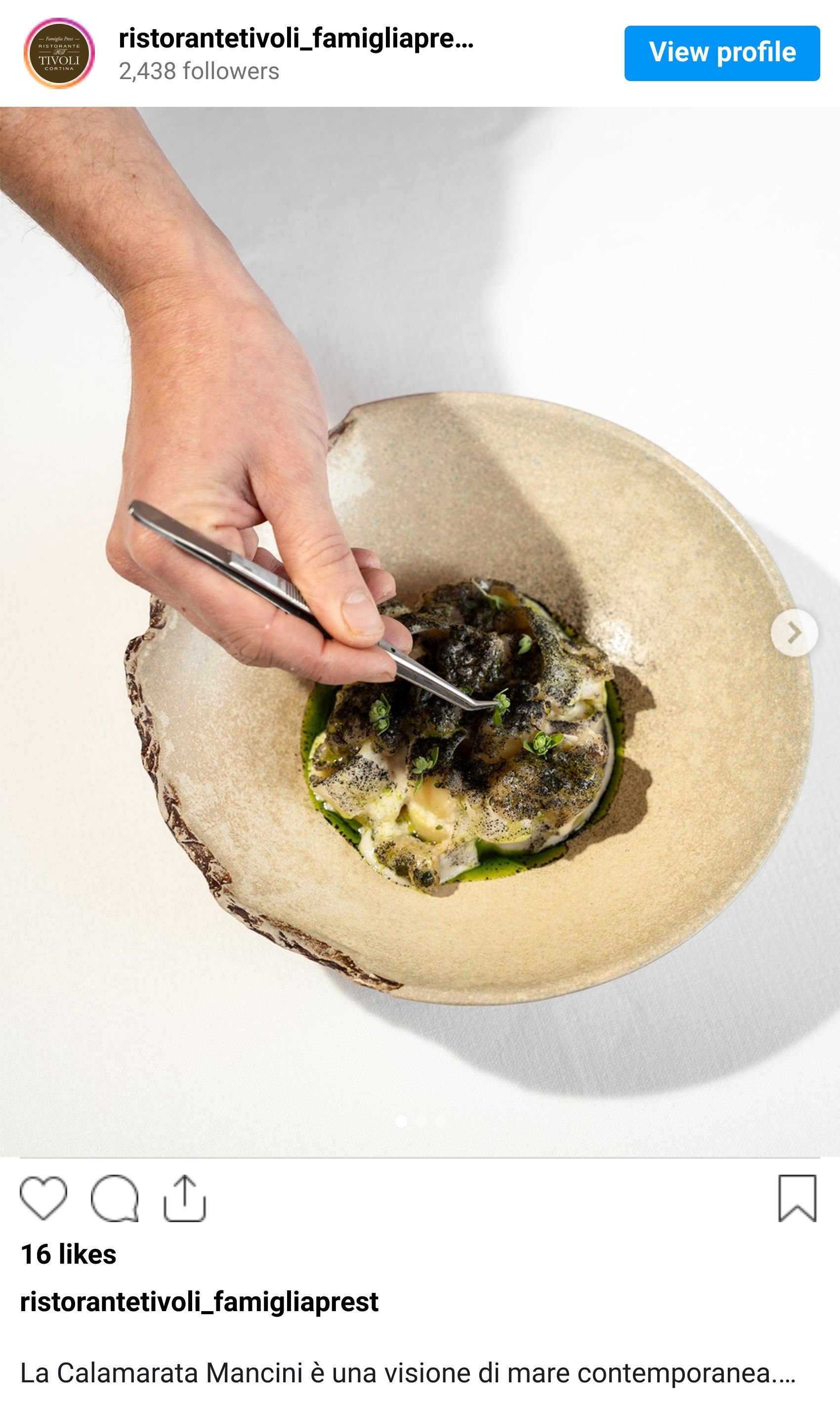
Après-ski in Cortina is less about rowdy bars and more about lingering lunches. Espresso is taken seriously, grappa even more so. Enoteca Cortina offers a deep dive into northern Italian wines and spirits.
Cortina also shines in its pastry culture. Local bakeries serve delicate cakes and strudels influenced by Austrian traditions (an edible reminder of the region’s complex history).


▶ Where to stay: Cortina d’Ampezzo
South Tyrol
Just north of Cortina, South Tyrol (Alto Adige) may be the most fascinating food region of the Games. Here, Italian, Austrian, and Ladin cultures create a cuisine that feels, somehow, both alpine and Mediterranean.
The dish to know is canederli — bread dumplings often flavored with speck, cheese, or spinach, served in broth or with butter and herbs. One of the best places to try them is Gasthof Kohlern, perched above Bolzano, where the views rival the food. In town, Vögele offers classic South Tyrolean dishes in a historic setting.
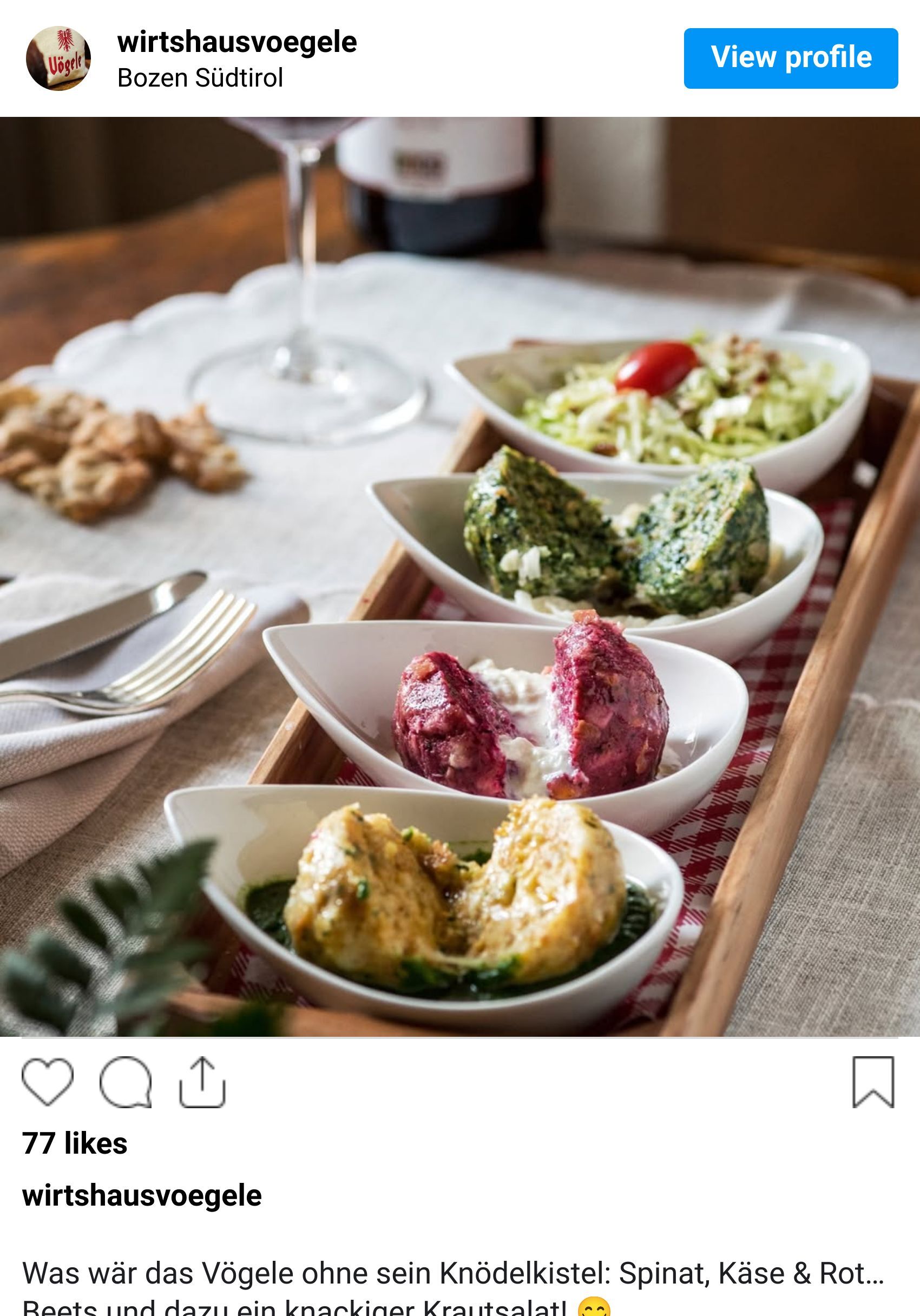
Speck, a lightly smoked, air-dried ham, is everywhere. Speckstube Tschötscherhof, near Castelrotto, is the place to try it if you only try it once.
South Tyrol is also home to Italy’s highest concentration of Michelin-starred restaurants, including St. Hubertus in San Cassiano, where chef Norbert Niederkofler has pioneered the “Cook the Mountain” philosophy centered on local, seasonal ingredients. It’s not a cheap spot, but if you’re going to go all out, you can’t do so in a better place in this region.

Photo: pixabay

Photo: Getty Images

Photo: Getty Images
▶ Where to stay: South Tyrol
WHERE TO STAY
The Best Airbnbs for the 2026 Winter Games


M O R E
▶ Trip-planning Guide: Why You Should Visit Milan Even if You Aren’t Into Fashion
▶ Places Less Traveled: Lake Como Too Crowded? Lake Orta Is an Affordable, Unspoiled Escape Just Outside Milan
You can unsubscribe from this series here.